
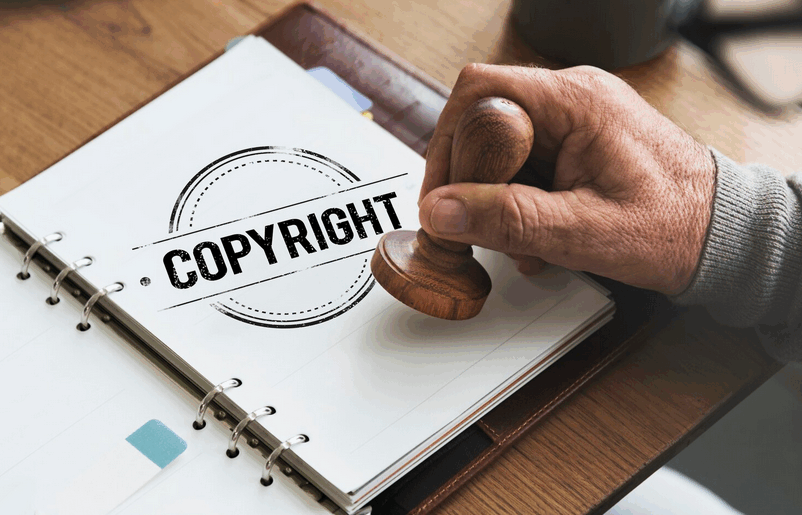
Copyright claims are a vital tool for protecting creative work, whether it’s art, music, writing, photography, or digital media. They give creators the legal right to control how their work is used and to take action if it is copied, distributed, or modified without permission. However, making a copyright claim is not as simple as sending a complaint—it involves legal considerations, proper documentation, and an understanding of what qualifies for protection. Knowing the right steps and factors to evaluate before filing a claim can save time, prevent misunderstandings, and strengthen your case if legal action becomes necessary.
Confirming Ownership of the Work

Before filing a copyright claim, you must be certain that you own the rights to the work in question. This means the work must be original, fixed in a tangible form, and created by you or transferred to you through a written agreement. In cases of collaborative projects, clearly defined ownership agreements help prevent disputes among co-creators. Registering your work with a copyright office, while not always mandatory, can provide stronger legal evidence in ownership disputes.
Determining Whether the Use Is Infringing
Not all use of copyrighted material counts as infringement. Some instances may fall under exceptions such as fair use or fair dealing, which allow limited use for purposes like commentary, education, news reporting, or parody. Before filing a claim, evaluate whether the other party’s use significantly impacts your rights or market value. Understanding the boundaries of these exceptions can help you avoid filing weak or invalid claims.
Collecting Evidence of Infringement
Strong evidence is key to a successful copyright claim. This can include dated copies of your original work, screenshots or recordings of the infringing use, and metadata proving when and how the work was created. Keeping organized records strengthens your position if the case escalates to a legal dispute or takedown process with online platforms.
Following the Correct Claim Process

Different platforms and jurisdictions have specific procedures for submitting copyright claims. For example, under the Digital Millennium Copyright Act (DMCA) in the United States, you must provide detailed information, including a description of the copyrighted work, proof of ownership, and the location of the infringing material. Submitting incomplete or inaccurate claims can delay resolution or even result in penalties for false claims.
Considering Alternative Resolutions
Sometimes it may be more effective to reach out to the infringing party directly before filing a formal claim. They may remove the content voluntarily, saving time and avoiding legal costs. Mediation or licensing agreements can also turn a conflict into a mutually beneficial arrangement, especially if the infringement was unintentional.
Making a copyright claim requires careful consideration of ownership, legal exceptions, evidence, and proper procedures. By confirming that your rights are valid, gathering strong proof, and understanding the legal process, you can protect your creative work more effectively. Taking a strategic approach not only increases your chances of a favorable outcome but also helps maintain professional relationships where possible. In a digital world where content is easily shared, knowing how to handle copyright claims is an essential skill for any creator.